
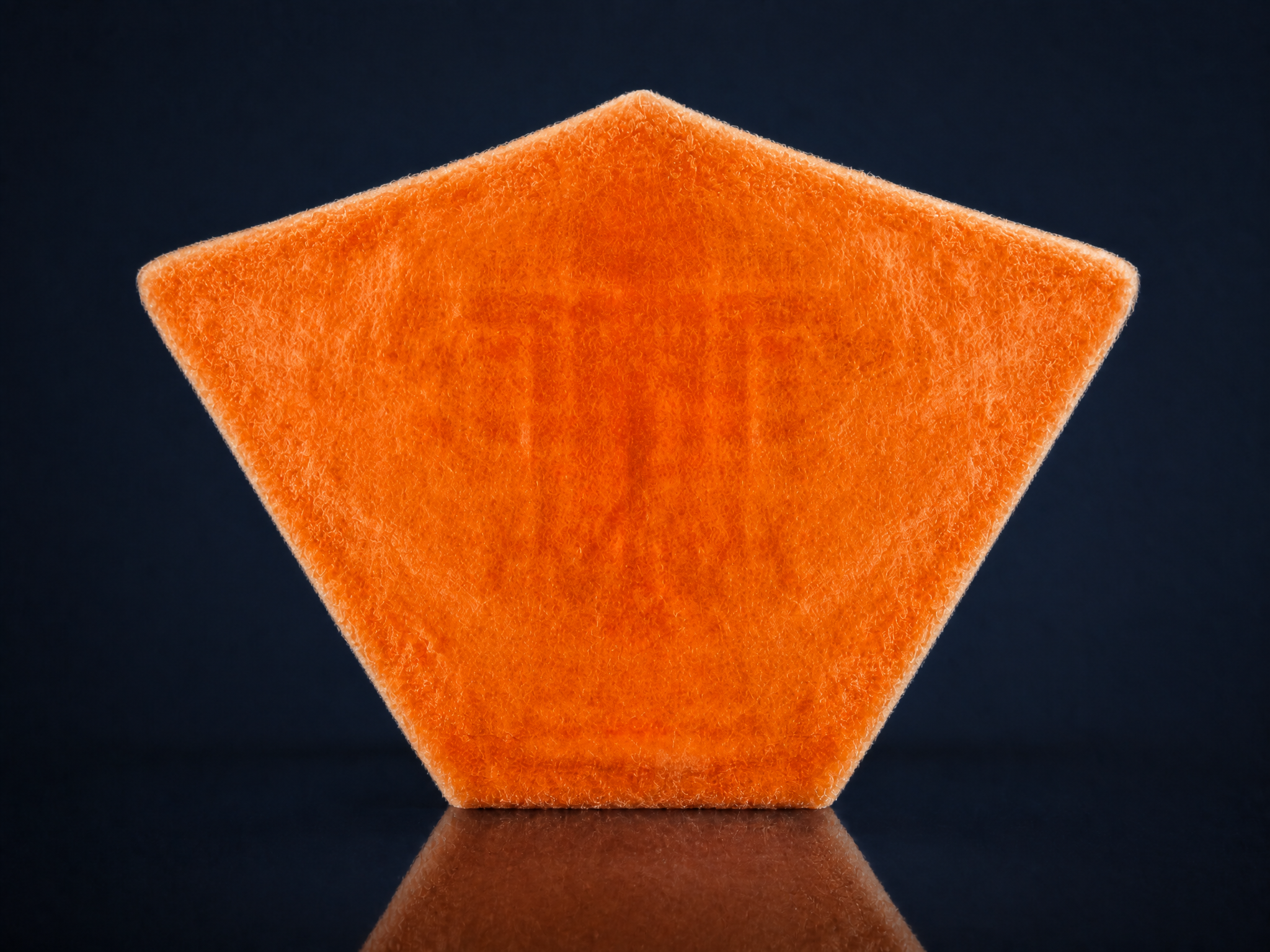
Disc Filters vs. Drum Filters: Key Differences for Operators
Choosing the right filter configuration is one of the most consequential decisions an operator or process engineer will make when designing or upgrading a wastewater treatment system. Both disc filters and drum filters rely on pile cloth filtration media to achieve high-quality effluent, but they differ significantly in geometry, hydraulic behavior, maintenance demands, and site suitability. Understanding these differences helps operators match the right technology to their specific process conditions.
How Each Technology Works
Disc Filters
A disc filter operates by rotating a series of vertical filter discs — each disc face covered with pile cloth media — through an influent flow. Water passes from the outside of the disc inward through the pile cloth, with solids captured on the outer pile surface. As the discs rotate, submerged sections continuously filter while elevated sections are backwashed using spray nozzles, dislodging captured solids back into a reject channel.
The vertical disc geometry means a large total filtration area can be packed into a compact footprint. This makes disc filters particularly attractive for retrofitting into existing treatment plants where space is constrained.
Drum Filters
A drum filter uses a horizontal rotating cylinder — the drum surface wrapped with pile cloth media — partially submerged in the influent channel. Flow enters the interior of the drum and passes outward through the pile cloth, depositing solids on the inner surface. Backwash spray bars mounted above the waterline clean the emerging pile cloth as the drum rotates.
The horizontal drum geometry offers straightforward access for media inspection and maintenance, with a clear visual overview of the entire filter surface during operation.
Key Operational Differences
Hydraulic Loading and Flow Flexibility
Disc filters generally handle variable influent flows more gracefully. Because multiple discs operate in parallel, partial submersion automatically adjusts the active filtration area as water levels rise or fall, providing a degree of self-regulation. This behavior is advantageous in plants with significant diurnal flow variation.
Drum filters maintain a more consistent hydraulic profile but are typically designed around a defined operating range. Operators should size drum installations carefully to avoid running significantly below or above design capacity, which can affect both filtration efficiency and backwash effectiveness.
Footprint and Installation
- Disc filters excel where floor space is limited. Their vertical orientation allows high filtration area per square meter of plant footprint.
- Drum filters require a longer, lower profile and are often preferred in greenfield installations or where headroom is restricted but floor area is available.
- Both configurations can be installed in open channels or enclosed tanks depending on site requirements.
Media Selection and Filtration Grade
Both disc and drum configurations accept the same range of pile cloth media grades. The choice of media — rather than filter geometry — primarily determines effluent quality:
- Standard 10µm Pile Filter Cloth suits general tertiary filtration for TSS and phosphorus removal
- Bioactive 5µm Microfiber provides enhanced capture of fine particulates and is increasingly used where stricter nutrient limits apply
- Supermicrofiber 2.5µm delivers the finest filtration grade available, suited to advanced treatment or reuse applications
Key takeaway for operators: The filter frame (disc or drum) determines hydraulic behavior and footprint. The pile cloth media determines the filtration grade. Optimizing both independently gives operators the greatest process flexibility.
Maintenance and Access
Drum filters offer an ergonomic advantage for routine media inspection. Operators can visually assess the full drum surface and access pile cloth panels without disassembling the unit. Media replacement on a drum is generally straightforward.
Disc filters require accessing individual disc panels, which can involve more steps in confined installations. However, modern disc filter designs have significantly improved panel accessibility, and the modular nature of disc assemblies means individual panels can be replaced without taking the entire unit offline.
Energy Consumption
Both technologies are low-energy filtration options compared to pressure-driven alternatives. Backwash pump energy is the primary variable. Disc filters, with their larger total surface area in a given installation, often achieve lower flux rates per panel, which can translate to less frequent backwash cycles and reduced energy demand over time.
Comparison at a Glance
| Factor | Disc Filter | Drum Filter |
|---|---|---|
| Footprint | Compact, vertical | Larger, horizontal |
| Flow variability handling | High flexibility | Moderate |
| Media access | Panel-by-panel | Full surface visible |
| Filtration grade range | 2.5µm – 10µm | 2.5µm – 10µm |
| Typical application fit | Retrofits, space-limited sites | Greenfield, high-flow plants |
Making the Right Choice
Neither disc filters nor drum filters are universally superior — the right comparison is always site-specific. Operators should evaluate influent flow variability, available footprint, maintenance resource availability, and target effluent quality before committing to a configuration.
If you are evaluating media grades or comparing filter configurations for a specific application, the Product Advisor can help identify the most suitable pile cloth media for your disc or drum filter system.
Summary
Both disc and drum filters deliver proven pile cloth filtration performance across a wide range of wastewater treatment applications. Disc filters offer a compact footprint and strong flow adaptability, while drum filters provide ease of access and straightforward installation in larger facilities. In both cases, selecting the correct pile cloth media grade — from standard 10µm through to supermicrofiber 2.5µm — is the critical lever for achieving target effluent quality. Operators who understand both the mechanical and media dimensions of these systems are best positioned to optimize performance, minimize maintenance burden, and meet increasingly stringent discharge standards.
Related: Learn more | Learn more
Read More Articles
Discover more insights on pile cloth filtration and water treatment.