
Pharmaceutical Residues in Water: How Filtration Helps
Removal efficiency for trace pharmaceuticals with advanced filtration: up to 95% Particle size of concern for pharmaceutical micropollutants: 1–10µm and smaller Share of wastewater treatment plants meeting emerging contaminant standards: fewer than 40% globallyPharmaceuticals have become one of the most discussed challenges in modern water treatment. From painkillers and antibiotics to hormones and antidepressants, trace substances originating from human and veterinary medicine enter water bodies through urine, feces, and improper disposal. Conventional wastewater treatment was never designed with these compounds in mind — and the gap between what traditional systems remove and what regulators now expect is growing wider every year.
Understanding how physical filtration contributes to addressing this challenge is essential for engineers, plant operators, and environmental managers working on the front lines of water quality.
Why Pharmaceutical Residues Are Difficult to Remove
Pharmaceutical compounds present a unique challenge for water treatment infrastructure. Unlike suspended solids or biological oxygen demand, trace substances such as diclofenac, carbamazepine, or estrogens behave differently depending on their molecular structure, polarity, and tendency to adsorb onto particulate matter.
Key reasons these residues persist through conventional treatment:
- Many are dissolved at nanogram-per-liter concentrations, making direct physical capture difficult
- Some bind to fine particles and colloids, meaning effective solids removal can indirectly reduce pharmaceutical load
- Biological degradation is incomplete for many synthetic compounds in standard activated sludge systems
- Seasonal and flow variations cause inconsistent removal across treatment stages
The particle-bound fraction of pharmaceuticals is particularly relevant to filtration technology. When pharmaceutical compounds adsorb onto suspended solids — including biological floc, microplastics, and organic particles — removing those solids through fine filtration becomes an effective strategy for reducing overall pharmaceutical load in treated effluent.
The Role of Pile Cloth Filtration in Tertiary Treatment
Tertiary treatment is the stage where physical filtration can make the most meaningful contribution to pharmaceutical residue reduction. Pile cloth media filters, operating as a polishing step after secondary biological treatment, are specifically designed to capture fine suspended solids that carry adsorbed trace substances.
Explore the full range of Applications where pile cloth technology is deployed in water and wastewater treatment.
How Pile Cloth Media Works
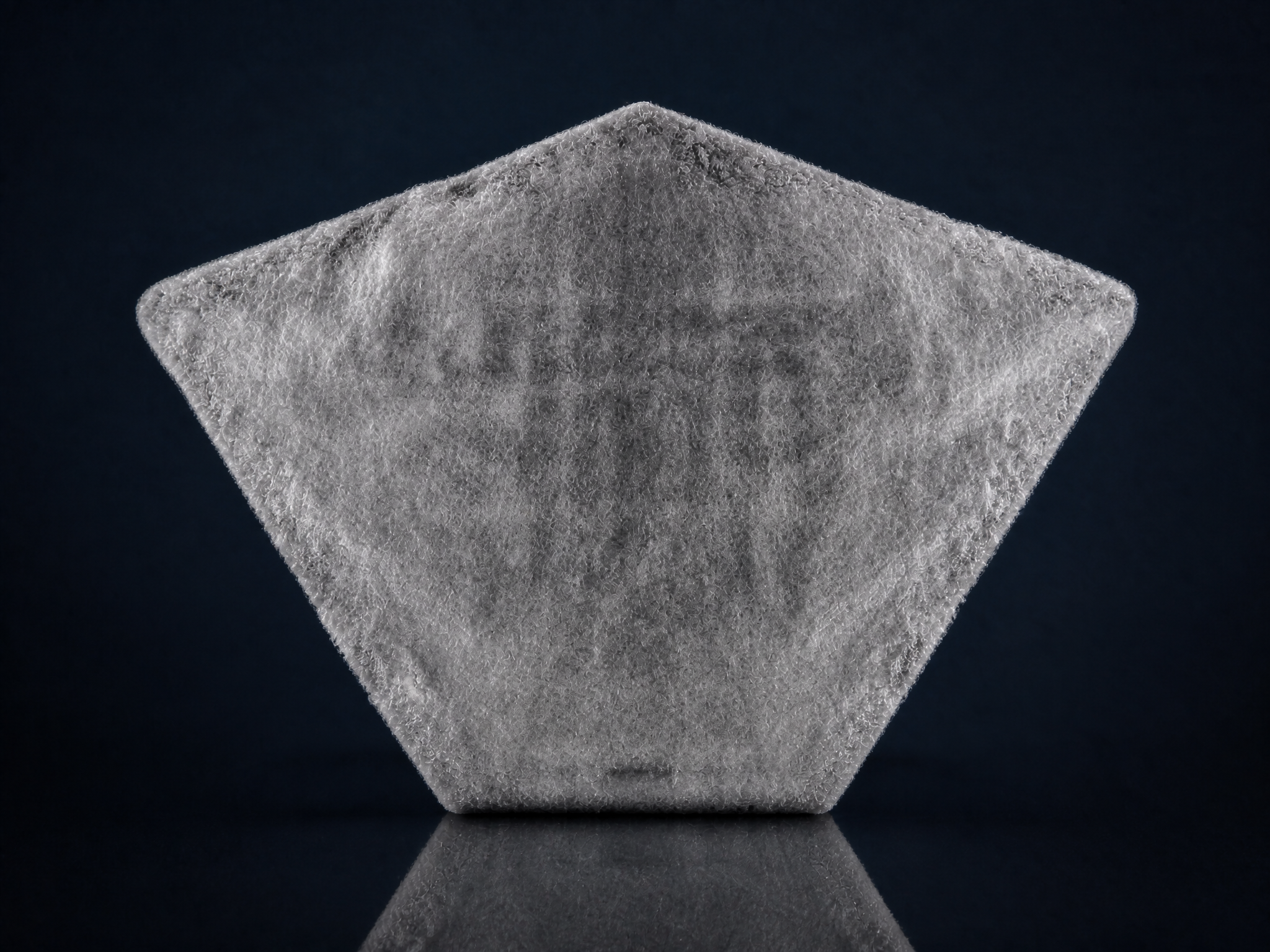
Pile cloth filtration uses a three-dimensional fiber matrix — the "pile" — that extends from a woven backing fabric. As water passes through this structure:
- Particles are captured within the depth of the pile, not just on the surface
- The filter continues operating during backwash cycles, maintaining continuous flow
- Fine solids, including those carrying adsorbed pharmaceuticals, are retained and removed from the process stream
The Standard 10µm Pile Filter Cloth is widely used in municipal tertiary treatment to achieve reliable suspended solids reduction. For applications where finer capture is required — particularly where pharmaceutical-bound colloidal particles are a concern — the Bioactive 5µm Microfiber offers enhanced performance, with microfiber pile geometry that captures smaller particles and provides greater surface area for adsorption.
Practical Considerations for Plant Operators
Operators working to address pharmaceutical residues through filtration should consider several practical factors:
Upstream process quality matters. Pile cloth filtration performs best when upstream biological treatment is optimized. High-quality secondary effluent with low turbidity and well-settled biological floc allows the cloth media to focus on fine polishing rather than bulk solids removal. Cloth grade selection is critical. Not all pharmaceutical removal challenges are equal. A plant treating effluent from a hospital catchment area faces a different loading profile than one serving a predominantly residential population. Selecting the appropriate filtration grade — whether standard polyamide pile cloth at 10µm, microfiber pile cloth at 5µm, or ultra-fine Supermicrofiber 2.5µm cloth for demanding applications — should be based on influent characterization and target effluent quality. Combination with other treatment steps amplifies results. Physical filtration is most effective as part of a multi-barrier approach. When combined with ozonation, activated carbon adsorption, or UV disinfection, pile cloth filtration in the tertiary stage significantly reduces the load on downstream chemical or photochemical processes, improving overall system efficiency and reducing operating costs. Backwash management affects residue fate. Backwash water from pile cloth filters contains concentrated solids, including pharmaceutical-bound particles. Proper handling and return of backwash to the head of the treatment plant — or to a dedicated sludge treatment stream — ensures that removed contaminants are not simply re-introduced to the effluent.Regulatory Drivers and Future Outlook
Regulatory frameworks around pharmaceutical residues in water are tightening across Europe, North America, and increasingly in Asia-Pacific. The European Union's revised Urban Wastewater Treatment Directive specifically targets micropollutants, requiring larger treatment plants to implement advanced treatment for trace substances. This regulatory momentum is accelerating investment in tertiary filtration infrastructure.
Key takeaway: Physical filtration through pile cloth media is not a standalone solution for pharmaceutical residues — but it is a necessary and cost-effective component of any advanced treatment train targeting micropollutant reduction.
For plants planning upgrades or expansions, pile cloth filtration offers a compelling combination of continuous operation, low footprint, and proven performance in fine solids removal. Its contribution to pharmaceutical residue reduction, particularly through capture of particle-bound compounds, makes it an essential technology in the modern water treatment toolkit.
Summary
Pharmaceutical residues represent a growing challenge for water treatment systems worldwide. While no single technology eliminates all trace substances, pile cloth filtration plays a meaningful role in tertiary treatment by capturing fine suspended solids that carry adsorbed pharmaceutical compounds. Selecting the right cloth grade, optimizing upstream treatment, and integrating filtration within a multi-barrier system are the keys to maximizing performance. As regulatory requirements evolve, advanced filtration will only become more central to achieving the effluent quality standards that protect aquatic ecosystems and public health.
Related: Learn more
Read More Articles
Discover more insights on pile cloth filtration and water treatment.