
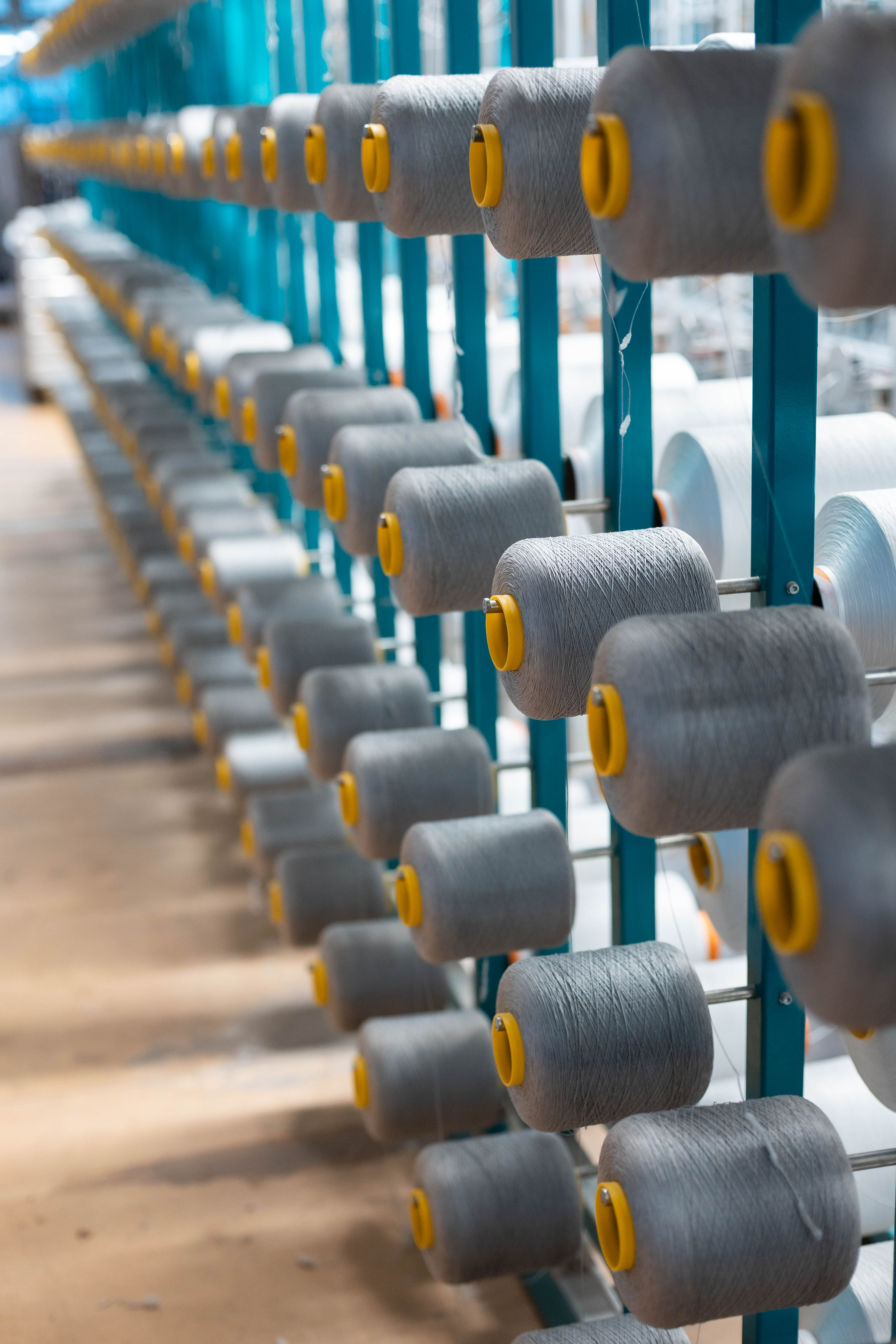
Supermicrofiber Technology: Bridging Filtration and Membrane Systems
Filtration threshold: 2.5µm nominal particle removal Typical TSS effluent quality: <2 mg/L achievable under standard operating conditions Hydraulic loading capacity: up to 10–12 m³/m²·h depending on configurationWastewater treatment professionals are increasingly being asked to do more with less — achieve higher effluent quality, reduce energy consumption, and extend equipment life, all while managing tighter operational budgets. One technology that has quietly risen to meet this challenge is supermicrofiber pile cloth filtration, a category of ultra-fine textile filtration that occupies a unique and valuable space between conventional depth filtration and full membrane systems.
What Makes Supermicrofiber Different?
Traditional pile cloth media, such as the Standard 10µm Pile Filter Cloth, uses polyamide fibers arranged in a dense, three-dimensional pile structure to capture suspended solids as water passes through. This approach has proven highly effective for tertiary treatment applications where the goal is polishing secondary effluent before discharge or reuse.
Supermicrofiber technology takes this concept significantly further. The individual fibers in a supermicrofiber pile cloth are engineered at a much finer scale, creating a tighter, more intricate matrix that can achieve 2.5µm nominal filtration — a threshold that approaches the lower boundary of conventional filtration and begins to overlap with the performance range of low-pressure membrane systems.
The Supermicrofiber 2.5µm pile cloth achieves this through a combination of:
- Finer fiber diameter — significantly reduced compared to standard pile media
- Increased fiber density — more contact points per unit volume for particle interception
- Optimized pile height — balancing depth filtration capacity with hydraulic resistance
- Hydrophilic fiber characteristics — promoting wettability and consistent flow distribution
Closing the Gap Between Filtration and Membranes
For decades, treatment plant designers faced a binary choice when targeting effluent quality below 5–10 mg/L TSS: either accept the limitations of conventional filtration or invest in membrane bioreactor (MBR) or ultrafiltration (UF) systems. Membrane systems deliver excellent results but carry significant capital costs, complex operational requirements, and sensitivity to fouling that demands careful chemical management.
Supermicrofiber pile cloth filtration offers a third path. By operating at the ultra-fine end of the filtration spectrum, it can achieve effluent quality that rivals membrane performance for suspended solids removal, without the associated infrastructure complexity.Key insight: For applications where the primary treatment objective is TSS and turbidity reduction — rather than pathogen removal or dissolved constituent control — supermicrofiber filtration can deliver membrane-comparable results at a fraction of the operational burden.
This is particularly relevant in wastewater treatment scenarios such as:
- Tertiary polishing ahead of UV disinfection systems
- Industrial process water recovery and reuse
- Stormwater and combined sewer overflow treatment
- Pre-treatment before reverse osmosis or nanofiltration systems
Operational Advantages in Practice
Engineers and plant operators who have worked with ultra-fine pile cloth media consistently highlight several practical benefits:
Self-Cleaning Performance
Supermicrofiber cloths are designed for continuous rotating drum or disc filtration systems equipped with suction backwash mechanisms. Despite the finer fiber structure, the pile matrix responds well to backwash cleaning cycles, maintaining stable hydraulic performance over extended operating periods.
Reduced Chemical Dependency
Unlike membrane systems that often require periodic chemical cleaning with acids, caustics, or oxidants, supermicrofiber pile cloth filtration typically operates with water-only backwash under normal conditions. This simplifies operations and reduces chemical handling requirements.
Compact Footprint
Because pile cloth filtration systems achieve high hydraulic loading rates relative to their physical size, supermicrofiber installations can deliver significant treatment capacity within a compact footprint — an important consideration for retrofits and space-constrained sites.
Resilience to Load Variations
The three-dimensional pile structure provides a degree of buffering against influent TSS spikes, which can challenge membrane systems by accelerating fouling rates. This resilience makes supermicrofiber technology well-suited to facilities with variable influent quality.
Positioning Within a Treatment Train
Supermicrofiber pile cloth filtration is most effective when positioned as a final polishing step following biological treatment and secondary clarification. Influent TSS to the filter should ideally be below 30–50 mg/L to optimize cloth life and backwash frequency.
For applications where effluent targets are less stringent, a Bioactive 5µm Microfiber or standard pile cloth solution may offer a more economical fit. Selecting the right filtration grade for the specific application is critical — use the Product Advisor to evaluate options based on your treatment objectives and site conditions.
Summary and Key Takeaways
Supermicrofiber technology represents a genuine advance in pile cloth filtration capability, extending the performance envelope of textile-based filtration into territory previously reserved for membrane systems. Its combination of ultra-fine particle capture, operational simplicity, and hydraulic efficiency makes it a compelling option for designers and operators seeking high effluent quality without the full complexity of membrane infrastructure.
Key takeaways:- 2.5µm filtration bridges the gap between conventional filtration and membrane performance
- Supermicrofiber pile cloth delivers TSS effluent quality below 2 mg/L under typical operating conditions
- Operational simplicity, compact footprint, and resilience to load variation are core practical advantages
- Best deployed as a tertiary polishing step within a well-designed treatment train
Related: Learn more
Read More Articles
Discover more insights on pile cloth filtration and water treatment.