
Achieving TP Below 0.1 mg/L: Advanced Phosphorus Elimination
Target Threshold: 0.1 mg/L total phosphorus (TP) — the benchmark for advanced effluent quality Typical Secondary Effluent TP: 1–3 mg/L before tertiary treatment Reduction Required: Up to 95–99% phosphorus removal efficiencyRegulatory pressure on phosphorus discharges continues to intensify worldwide. Eutrophication in receiving water bodies — lakes, reservoirs, and slow-moving rivers — remains one of the most damaging consequences of inadequately treated effluent. As a result, permit limits for total phosphorus are tightening, with many facilities now required to achieve TP concentrations below 0.1 mg/L in their final discharge. Reaching this threshold is not trivial. It demands a well-engineered combination of chemical treatment and high-performance physical filtration.
Why 0.1 mg/L Is a Critical Threshold
Standard biological phosphorus removal and conventional secondary treatment typically reduce TP to somewhere between 0.5 and 2 mg/L. While this represents significant removal, it falls well short of the sub-0.1 mg/L targets increasingly written into discharge permits — particularly for facilities discharging into sensitive catchments or protected water bodies.
The challenge at this level is no longer bulk removal. It is the capture of colloidal and particulate phosphorus fractions that resist conventional settling. These fine particles — often bound to suspended solids smaller than 10 micrometers — require advanced filtration stages to be reliably removed.
The Role of Co-Precipitation in Advanced Removal
Co-precipitation is the chemical process at the heart of most advanced phosphorus elimination strategies. Metal salts — typically iron- or aluminum-based coagulants — are dosed into the wastewater stream to react with dissolved orthophosphate, forming insoluble metal-phosphate flocs. These flocs then aggregate with suspended solids and can be physically removed by downstream filtration.Key considerations for effective co-precipitation include:
- Dosing point selection — upstream of the filtration stage to allow adequate reaction time
- pH control — optimal precipitation typically occurs within a defined pH window depending on the coagulant used
- Mixing intensity — gentle flocculation after initial rapid mixing preserves floc integrity
- Residual coagulant management — overdosing can create new filtration challenges
When co-precipitation is combined with high-efficiency filtration, the synergy between chemical and physical removal allows facilities to reliably push TP below 0.1 mg/L — even under variable influent loads.
Pile Cloth Filtration as the Final Barrier
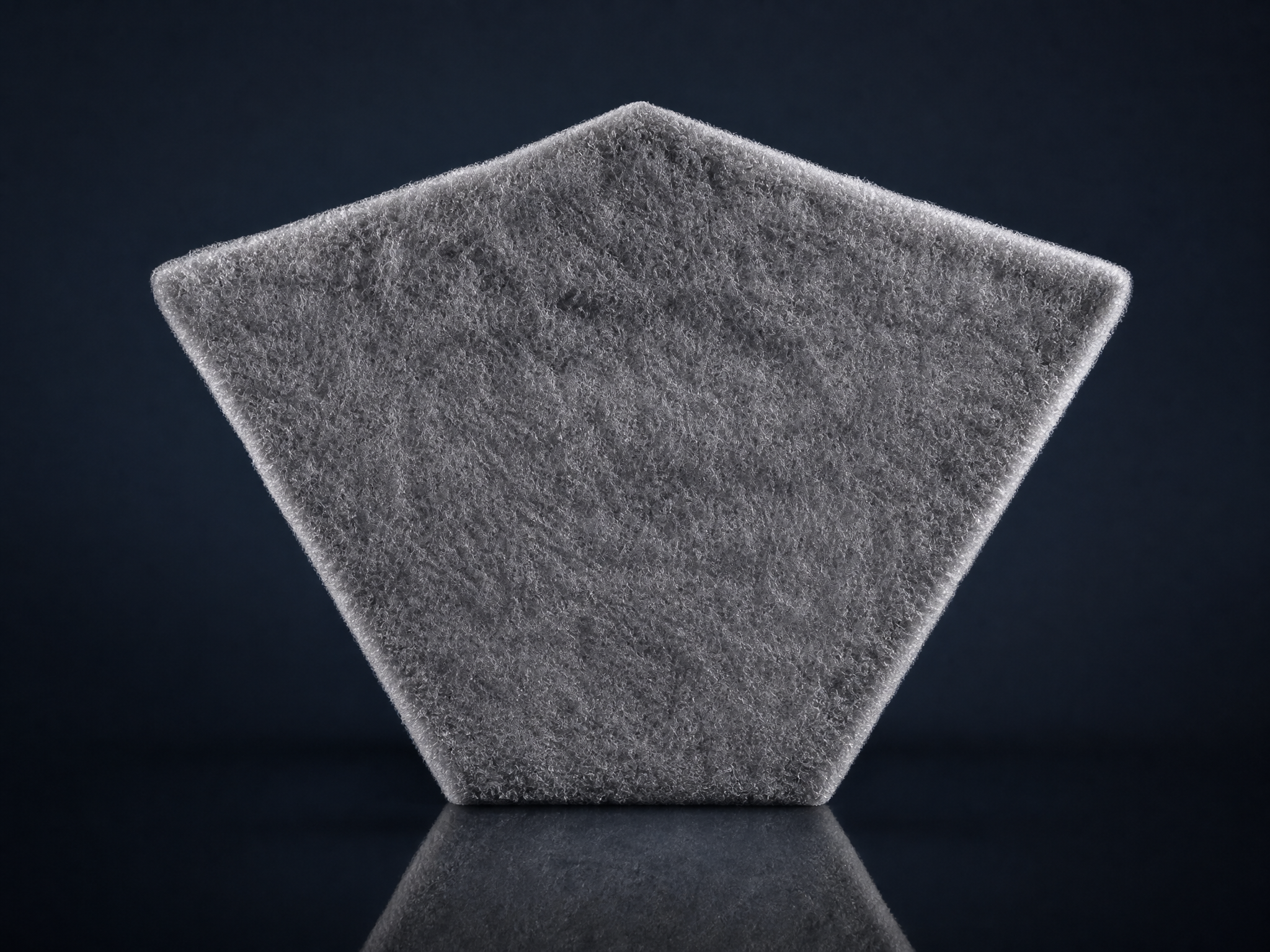
For wastewater treatment facilities targeting sub-0.1 mg/L TP, pile cloth filtration has become an established tertiary treatment technology. Unlike granular media filters, pile cloth filters use textile filter panels with three-dimensional fiber structures that provide both surface and depth filtration. This makes them particularly effective at capturing the fine floc particles generated during co-precipitation.
Choosing the Right Filtration Grade
The selection of pile cloth grade is critical when targeting advanced phosphorus removal:
- Standard 10µm Pile Filter Cloth performs well for general tertiary filtration and TSS reduction, but may not consistently achieve sub-0.1 mg/L TP when phosphorus is predominantly bound to very fine particles.
- Bioactive 5µm Microfiber represents a significant step forward for advanced phosphorus elimination. The finer fiber structure captures smaller floc particles and colloidal phosphorus fractions that pass through coarser media. For facilities with stringent TP limits, this filtration grade is often the preferred choice.
Key Insight: When co-precipitation is properly optimized, the majority of residual phosphorus in secondary effluent is particle-bound rather than dissolved. A 5µm filtration stage can intercept these particles before they reach the final discharge point.
Operational Factors That Influence TP Performance
Even with the right chemistry and filtration media, achieving consistent sub-0.1 mg/L TP requires attention to operational details:
- Hydraulic loading rates — exceeding design flux can reduce contact time and capture efficiency
- Backwash frequency and intensity — pile cloth filters use suction-based cleaning that must be calibrated to maintain filter cake integrity without stripping beneficial cake filtration effects
- Upstream process stability — fluctuations in biological treatment affect the character of phosphorus fractions entering the tertiary stage
- Seasonal temperature effects — cold water slows precipitation kinetics and can affect floc structure
Regular monitoring of effluent TP — ideally with online instrumentation — enables operators to detect performance drift early and adjust coagulant dosing or filtration parameters before permit limits are threatened.
Practical Design Recommendations
For engineers designing or upgrading systems to meet sub-0.1 mg/L TP targets:
1. Size the chemical dosing system with flexibility to adjust to seasonal and load variations
2. Specify pile cloth filtration with a fiber grade matched to the particle size distribution of the precipitated floc
3. Include a flocculation stage between chemical dosing and filtration to build settleable floc
4. Plan for residuals management — increased sludge production from co-precipitation must be accounted for in downstream processing
Summary and Key Takeaways
Achieving total phosphorus below 0.1 mg/L is an attainable goal, but it requires the right combination of co-precipitation chemistry and advanced physical filtration. Pile cloth filtration — particularly at the 5µm grade — provides the fine particle capture necessary to bridge the gap between standard secondary treatment and the most demanding effluent quality standards.
Facilities investing in this combination can expect:
- Reliable compliance with stringent TP discharge limits
- Consistent performance across variable influent conditions
- A compact filtration footprint relative to alternative technologies
As phosphorus regulations continue to evolve, advanced removal systems built around pile cloth filtration will remain a core tool for water resource recovery facilities committed to protecting sensitive receiving environments.
Related: Learn more | Learn more
Read More Articles
Discover more insights on pile cloth filtration and water treatment.