
How Pile Cloth Filtration Works: The Suction Principle Explained
Typical filtration flux: 3–8 m³/m²/h Solids removal efficiency: up to 95% TSS reduction Pile fiber depth: typically 3–5 mmWater treatment professionals are continuously looking for filtration technologies that deliver consistent performance, low energy consumption, and minimal operator intervention. Pile cloth filtration has emerged as a reliable solution across a wide range of municipal and industrial applications — and at the heart of its performance lies a deceptively simple yet highly effective mechanism: the suction principle.
Understanding how this mechanism works helps engineers and operators make informed decisions about technology selection, system design, and day-to-day operation.
What Is Pile Cloth Filtration?
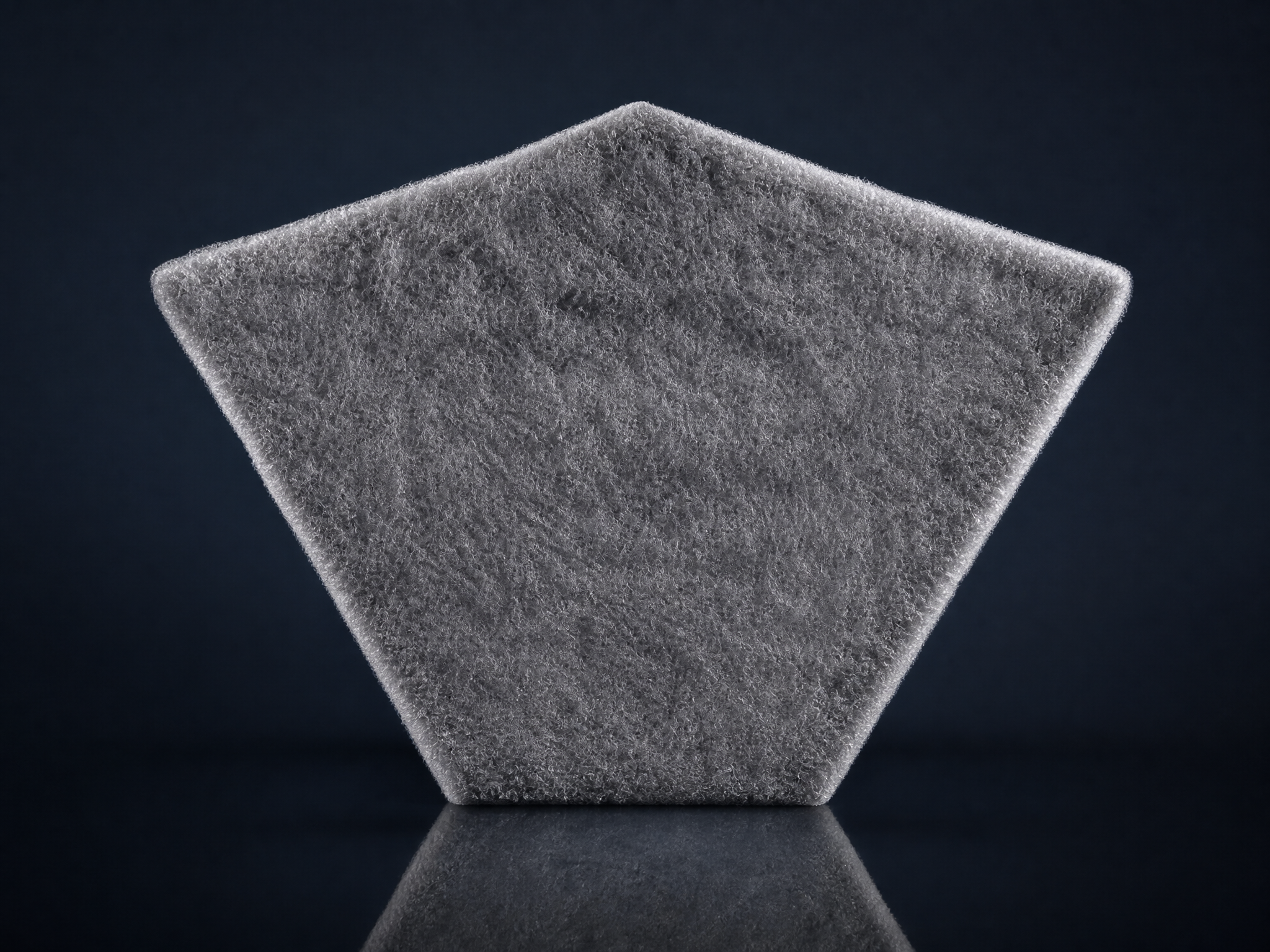
Pile cloth filtration is a type of surface filtration in which water passes through a textile medium made up of densely packed fiber loops — the so-called pile. Unlike granular media filters, which rely on depth filtration through a bed of sand or anthracite, pile cloth filters capture suspended solids primarily at or near the surface of the fabric.
The pile itself is a three-dimensional fiber structure, typically 3–5 mm deep, attached to a woven or knitted backing. This structure creates a tortuous flow path that traps particles while allowing clarified water to pass through efficiently.
Pile cloth media is commonly configured in rotating disc or drum assemblies, where panels of cloth are mounted on a rotating frame submerged in the water to be treated. You can learn more about available system configurations on our products page.
The Suction Principle: Step by Step
The defining feature of pile cloth filtration is that filtration occurs from the outside in, driven by suction rather than pressure. Here is how the process works:
1. Submersion and Gravity Feed
The cloth panels are submerged in the influent channel or tank. Water surrounds the outside of the cloth, and the difference in water level between the outside (dirty side) and the inside (clean side) creates a hydraulic head that drives flow.
2. Outside-In Flow Through the Pile
Water is drawn through the pile fibers from the outside surface inward, toward the interior of the disc or drum assembly. As water passes through the dense fiber matrix, suspended solids are captured within the pile structure. The three-dimensional depth of the pile is critical here — it provides significantly more capture surface than a flat membrane or screen.
3. Suction Withdrawal
Inside the rotating assembly, a suction manifold or underdrain system actively withdraws the filtered water. This controlled suction maintains a consistent transmembrane pressure across the cloth, ensuring stable flow rates even as solids accumulate on the fabric surface.
Key insight: The suction mechanism allows the system to operate at low differential pressures, which reduces energy demand and minimizes stress on the cloth media — extending its operational lifespan.
4. Continuous Rotation
The disc or drum rotates slowly and continuously. This rotation serves two purposes: it distributes the solids load evenly across all cloth panels, and it brings each section of cloth into contact with the backwash suction nozzle at regular intervals.
5. In-Situ Backwashing
As each cloth panel passes the backwash zone, a suction nozzle applies a brief, targeted pulse of suction in the reverse direction — from inside out. This dislodges accumulated solids from the pile fibers, which fall back into the reject channel or sludge collection trough below. The cleaned cloth immediately re-enters the filtration zone.
This continuous clean-filter-backwash cycle is what allows pile cloth filtration systems to operate without interruption, unlike batch-mode filters that require offline cleaning cycles.
Why the Suction Principle Matters
The outside-in, suction-driven approach offers several practical advantages that operators appreciate in real-world conditions:
- Stable hydraulic performance: Because suction is actively controlled, flow rates remain consistent regardless of variations in influent solids loading.
- Gentle on the media: Low operating pressures mean the pile fibers are not compacted or damaged over time, preserving filtration efficiency.
- Self-regulating solids capture: As the pile loads with solids, the hydraulic resistance increases slightly — the system responds by increasing suction marginally, maintaining throughput.
- Compact footprint: The rotating disc or drum configuration achieves high filtration surface area in a small physical space, making it suitable for retrofits and space-constrained sites.
Typical Applications
The suction filtration mechanism makes pile cloth technology well suited for:
- Tertiary treatment at municipal wastewater plants, polishing effluent ahead of discharge or reuse
- Combined sewer overflow (CSO) treatment, where rapid response to variable flows is essential
- Stormwater management, capturing fine particulates and associated pollutants
- Industrial process water and cooling water filtration
The ability to handle variable influent quality without manual adjustment is particularly valuable in CSO and stormwater applications, where flows can change dramatically within minutes.
Takeaway
Pile cloth filtration achieves reliable, continuous solids removal through an elegantly simple mechanism: water is drawn outside-in through a dense fiber pile under controlled suction, solids are captured within the three-dimensional pile structure, and continuous rotation combined with in-situ backwashing keeps the media clean without taking the system offline. For engineers and operators evaluating tertiary filtration or stormwater treatment options, understanding this suction principle is the foundation for appreciating why pile cloth systems perform consistently across a wide range of operating conditions.
Explore our range of pile cloth filtration systems on the products page or return to the homepage to learn more about our approach to water treatment technology.
Related: Learn more | Learn more
Read More Articles
Discover more insights on pile cloth filtration and water treatment.