
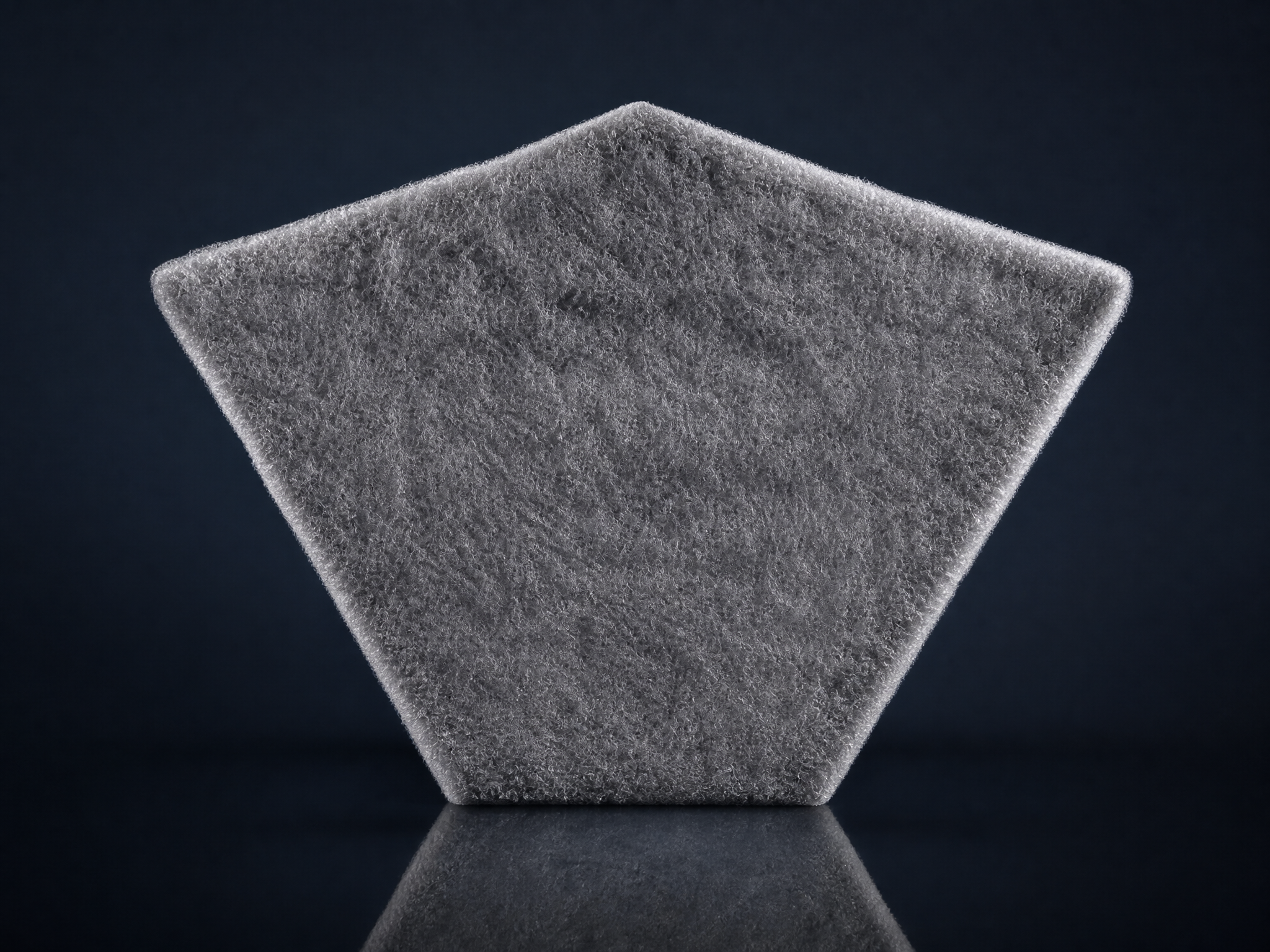
Polyamide vs. Polyester in Filter Media: Material Properties Compared
Choosing the right base material for pile cloth filtration is one of the most consequential decisions an engineer or plant operator can make. While both polyamide and polyester are widely used synthetic fibers in filter media, their physical and chemical properties differ in ways that directly impact filtration performance, operational costs, and service longevity. Understanding these differences helps facilities make smarter, longer-lasting decisions.
What Makes a Filter Cloth Material "Right"?
In pile cloth filtration systems, the filter medium is not simply a passive barrier. It is an engineered surface that must:
- Capture suspended solids across a defined particle size range
- Release captured material efficiently during backwash cycles
- Resist chemical and biological degradation in harsh wastewater environments
- Maintain structural integrity under continuous hydraulic loading
Both polyamide and polyester can fulfill these roles — but under different conditions and with different trade-offs.
Polyamide: Strength, Flexibility, and Resilience
Polyamide (commonly known as nylon) is a high-performance polymer that has been a cornerstone of industrial filtration for decades. When used as the base material in pile cloth filter media, it delivers several notable advantages:
Key Properties of Polyamide
- High tensile strength and abrasion resistance — polyamide fibers resist mechanical wear exceptionally well, making them ideal for applications with gritty or abrasive influent streams
- Excellent elasticity — the fiber recovers its shape after compression, which supports consistent pile height and stable filtration performance over time
- Good chemical resistance — polyamide performs reliably across a broad pH range, though it is less suited to prolonged exposure to strong acids
- Natural hydrophilicity — polyamide absorbs moisture readily, which promotes even wetting of the filter surface and supports efficient solid capture
These properties make polyamide the preferred material for the Standard 10µm Pile Filter Cloth, where reliable performance and long service life in municipal and industrial wastewater treatment are the primary requirements.
Key Takeaway: Polyamide excels where mechanical durability and consistent pile recovery are critical — particularly in high-solids or abrasive influent conditions.
Polyester: Chemical Stability and Dimensional Control
Polyester is a widely available synthetic polymer with a strong track record in technical textiles. In filter media applications, it offers a distinct set of characteristics:
Key Properties of Polyester
- Superior resistance to acids and many organic solvents — polyester maintains its structural integrity in chemically aggressive environments where polyamide may degrade
- Low moisture absorption — unlike polyamide, polyester is hydrophobic by nature, which can reduce swelling and dimensional change in wet conditions
- High dimensional stability — polyester fabrics hold their geometry well under thermal and mechanical stress, which can be beneficial in precision filtration grades
- Good UV resistance — relevant in open-air or partially exposed installations
However, polyester's lower elasticity compared to polyamide means pile recovery after compression can be less consistent over extended service cycles. In high-frequency backwash applications, this can translate to gradual performance drift.
Head-to-Head Comparison
| Property | Polyamide | Polyester |
|---|---|---|
| Abrasion Resistance | Excellent | Good |
| Chemical Resistance (Acid) | Moderate | Excellent |
| Elasticity / Pile Recovery | High | Moderate |
| Moisture Absorption | Higher | Lower |
| Dimensional Stability | Good | Excellent |
| Typical Service Life (abrasive) | Longer | Shorter |
How Material Choice Affects Filtration Grade
The choice of base material does not operate in isolation — it interacts directly with pile density, fiber diameter, and cloth construction to define the overall filtration grade.
- For 10µm filtration, polyamide pile cloth is the standard choice due to its balance of strength and flexibility
- For ultra-fine filtration at 2.5µm, the Supermicrofiber 2.5µm format requires extremely fine fiber geometry that benefits from the dimensional stability and consistent fiber properties achievable with carefully selected synthetic polymers
- In bioactive or anti-fouling pile cloth applications targeting 5µm filtration, material selection also considers biological compatibility alongside mechanical performance
Practical Guidance for Operators and Engineers
When evaluating polyamide versus polyester for your application, consider the following questions:
- What is the chemical profile of the influent? High-acid or solvent-bearing streams may favor polyester.
- What are the solids characteristics? Gritty, abrasive solids load favors polyamide's wear resistance.
- How frequent are backwash cycles? High-frequency cleaning demands good pile recovery — an area where polyamide typically leads.
- What is the target filtration grade? Finer grades impose tighter requirements on fiber consistency and cloth construction.
Use the Product Advisor to cross-reference your specific application conditions against available pile cloth grades and material options.
Summary and Key Takeaways
Both polyamide and polyester are proven materials in pile cloth filter media — but they are not interchangeable. Polyamide offers superior mechanical resilience, pile recovery, and long-term durability in abrasive conditions. Polyester brings chemical resistance and dimensional stability where the influent chemistry demands it.
For most municipal and industrial tertiary treatment applications, polyamide remains the dominant choice. However, understanding the full material picture allows operators to make confident, application-specific decisions that protect both performance and capital investment.
Explore the full range of pile cloth filtration solutions on our Products page.
Related: Learn more
Read More Articles
Discover more insights on pile cloth filtration and water treatment.