
TSS Reduction in Wastewater: Methods and Targets
Typical TSS in secondary effluent: 20–40 mg/L Tertiary filtration target: ≤ 10 mg/L TSS Advanced filtration achievable: < 2 mg/L TSS with ultra-fine pile cloth mediaTotal suspended solids (TSS) are one of the most closely monitored parameters in wastewater treatment. Whether a plant is discharging to a sensitive receiving water body, preparing effluent for reuse, or meeting increasingly strict regulatory limits, TSS reduction is a central operational challenge. Understanding the available methods — and the targets each can realistically achieve — helps engineers and operators select the right approach for their specific conditions.
What Are Total Suspended Solids?
Suspended solids in wastewater include a wide range of particulate matter: biological floc, mineral particles, organic debris, and microbial biomass. TSS is measured gravimetrically, typically by filtering a sample through a standard membrane and weighing the retained solids after drying.
In practical terms, high TSS in effluent means:
- Increased turbidity and visible cloudiness in the discharge
- Oxygen demand from settling and decomposing organic particles
- Carrier effect — suspended particles transport phosphorus, heavy metals, and pathogens
- Non-compliance risk when permit limits are exceeded
For most wastewater treatment facilities, TSS reduction happens across multiple treatment stages, each contributing to the overall removal efficiency.
Primary and Secondary TSS Removal
In conventional wastewater treatment, the bulk of TSS removal occurs in the primary clarifier (settling of gross solids) and the secondary clarifier following biological treatment. After secondary treatment, a well-operated activated sludge plant will typically produce effluent with TSS concentrations in the range of 20–40 mg/L — sometimes lower under ideal conditions, but often higher during storm events or biological upsets.
This is where tertiary treatment becomes essential.
Tertiary Filtration: Closing the Gap
When discharge permits or reuse standards require TSS below 10 mg/L — or even below 5 mg/L — tertiary filtration is the standard solution. Several technologies are used in this stage:
Sand and Media Filtration
Granular media filters (sand, anthracite, or multimedia) have been the traditional workhorse of tertiary TSS removal. They are effective but require significant backwash water volumes, can experience media loss, and may struggle to consistently achieve very low TSS targets without chemical pre-treatment (coagulation/flocculation).
Membrane Filtration
Ultrafiltration (UF) and microfiltration (MF) membranes can achieve very low TSS, but come with high capital and energy costs, and require careful management of fouling and chemical cleaning cycles.
Pile Cloth Filtration
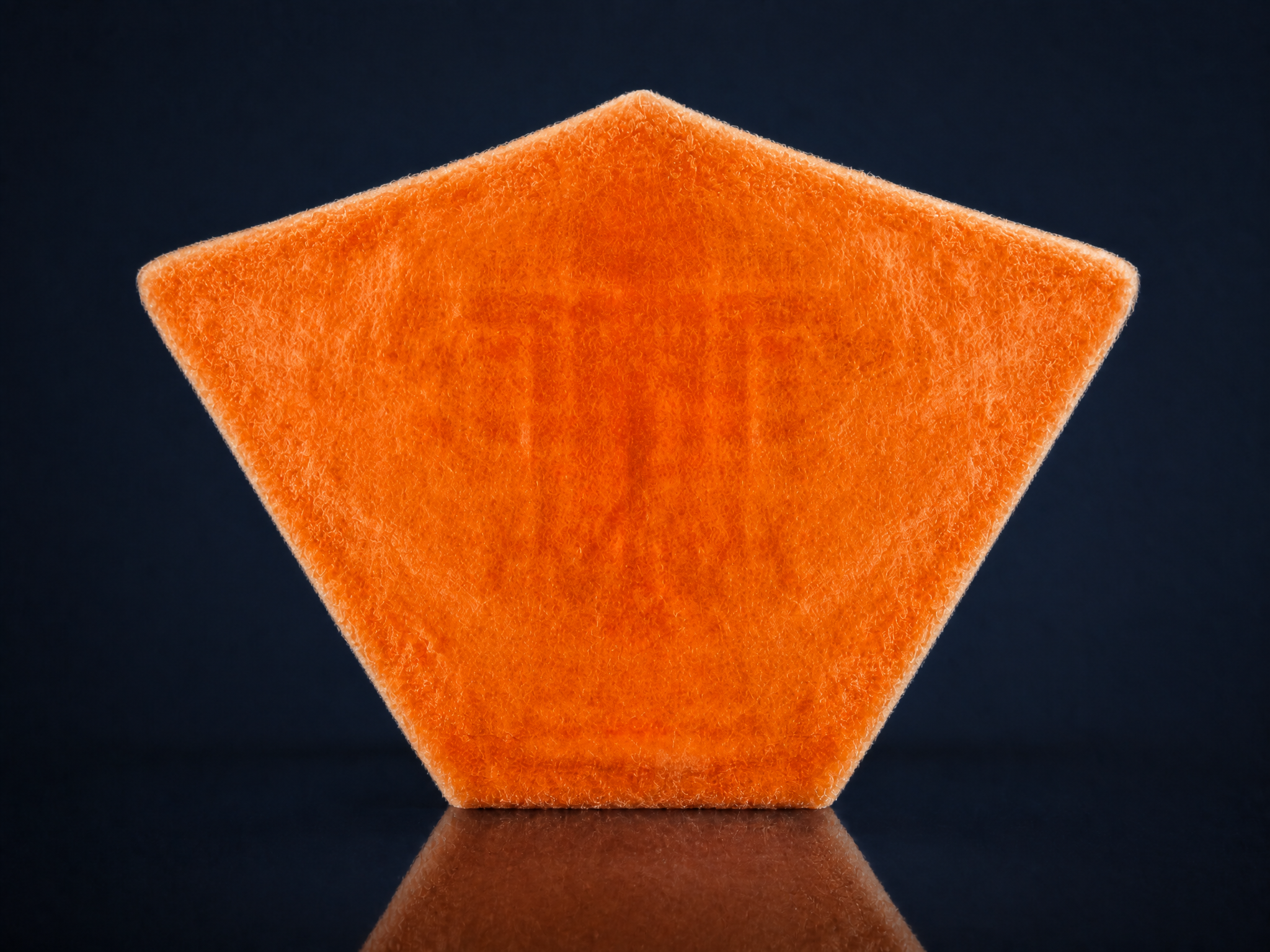
Pile cloth filtration has become a widely adopted tertiary treatment technology, offering a compelling combination of performance, low energy demand, and operational simplicity. The technology uses a textile filter medium — typically a looped pile fabric — mounted on rotating disc or drum assemblies submerged in the flow.Key advantage: Pile cloth filters operate by gravity, without pressurization, significantly reducing energy consumption compared to membrane alternatives.
The filtration grade of the pile medium determines the TSS removal capability:
- The Standard 10µm Pile Filter Cloth is well-suited for applications targeting effluent TSS below 10 mg/L, handling typical secondary effluent loads efficiently.
- For more demanding targets — including nutrient-sensitive receiving waters or effluent reuse — the Bioactive 5µm Microfiber offers enhanced capture of fine particles and biological floc, consistently achieving TSS well below 5 mg/L.
- Where the most stringent standards apply, the Supermicrofiber 2.5µm delivers ultra-fine filtration capable of producing effluent with TSS below 2 mg/L — relevant for direct potable reuse pathways and highly sensitive discharge zones.
TSS Targets: Regulatory and Reuse Drivers
TSS limits vary by jurisdiction and discharge context, but some common reference points include:
- Standard secondary treatment permits: 30 mg/L (30-day average) in many regulatory frameworks
- Nutrient-sensitive or ecological receiving waters: 10 mg/L or lower
- Agricultural irrigation reuse: typically 10–30 mg/L depending on crop and method
- Industrial process water or indirect potable reuse: often < 5 mg/L, sometimes < 2 mg/L
As water reuse becomes more prevalent globally, the pressure on TSS targets is moving consistently downward. Operators who invest in flexible, upgradeable filtration infrastructure — such as pile cloth disc filters where the media grade can be changed without replacing the mechanical structure — are better positioned to adapt as standards evolve.
Practical Considerations for Operators
When evaluating TSS reduction strategies, keep these operational factors in mind:
- Influent variability: Storm flows and biological upsets can spike TSS significantly. Choose a filtration system with sufficient hydraulic capacity and robust performance under variable loads.
- Backwash efficiency: Pile cloth filters use suction backwash systems that return only a small fraction of the treated flow — typically 1–3% — compared to much higher volumes in some granular media systems.
- Chemical pre-treatment: Even with advanced pile cloth media, coagulation or flocculation upstream can improve removal of colloidal and very fine particles that would otherwise pass through any mechanical filter.
- Media selection: Matching the pile cloth grade to the actual TSS target — rather than over-specifying — optimizes both performance and operational cost.
Summary and Key Takeaways
TSS reduction is a multi-stage challenge in wastewater treatment, with tertiary filtration carrying the critical final step toward compliance and reuse readiness. Pile cloth filtration has established itself as a reliable, energy-efficient, and adaptable technology for this role.
- Secondary treatment alone rarely achieves TSS below 10 mg/L consistently
- Pile cloth filtration grades from 10µm down to 2.5µm cover the full range of modern TSS targets
- Gravity-driven operation keeps energy and operational costs low
- Media upgradability provides long-term flexibility as discharge standards tighten
For a full overview of where pile cloth filtration fits across treatment applications, visit the Applications section.
Related: Learn more | Learn more
Read More Articles
Discover more insights on pile cloth filtration and water treatment.